
Image
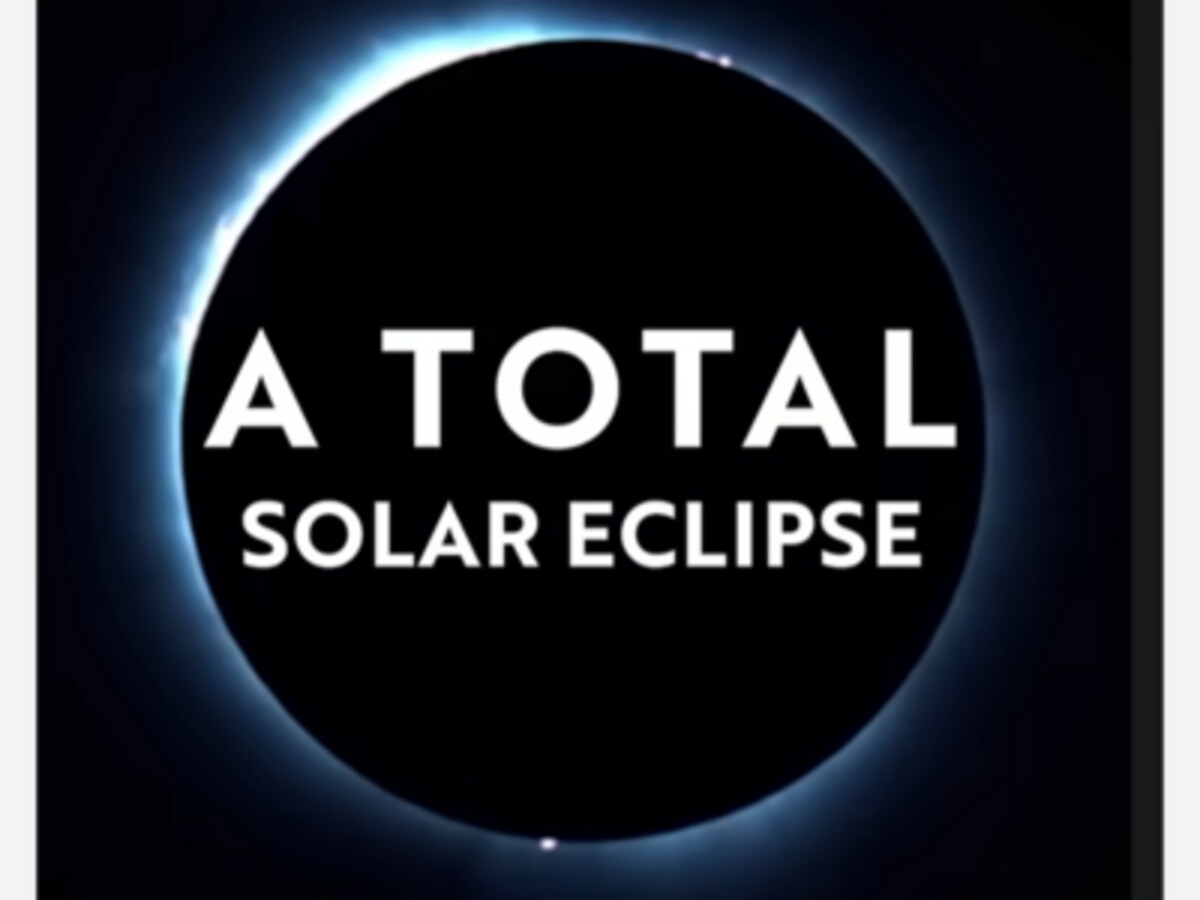
Photo: TK
NASA will be livestreaming the total solar eclipse as well.
Eyes to the skies – we’re preparing to capture the upcoming solar eclipse in a way only NASA can.On August 9, our WB-57 high-altitude aircraft took off from Ellington Field in preparation to capture the Moon covering the Sun on August 12. The team will take off from Iceland and fly in the path of the eclipse, sending back views for researchers to learn more about the celestial event.
Visit NASA Live - NASA to see where coverage will be hosted, or watch via the embedded player below.
Wednesday, Aug. 12
1:15 p.m. | Coverage of Northern Hemisphere total solar eclipse. Stream on Netflix | X | Amazon Prime | YouTube | NASA+
Thursday, Aug. 13
12 a.m. | Marshall Space Flight Center watch party for the Perseids meteor shower. Stream on YouTube
Friday, Aug. 14
2:30 p.m. | News conference on an event at Kennedy Space Center tied to America’s 250th anniversary. Stream on YouTube
While NASA programming is free, obtaining it through third-party streaming services may require equipment purchases or subscription fees. These links are provided for your information and do not constitute NASA’s endorsement of any goods or services.
NASA+, the agency's ad-free, on-demand streaming service, requires no subscription. Programming includes livestreams of current space missions, original documentaries, and series made for kids. NASA+ is available on iOS, Android, web browsers, and media players such as Roku, Apple TV, and Fire TV. Start Streaming
You can visit timeanddate.com’s page for the August 12 total solar eclipse to view an interactive map and determine whether you will see any portion of the eclipse, as well as the timing of the event. Note that during a partial eclipse, you must use eclipse glasses labeled with ISO 12312–2 or ISO 12312–2:2015 when viewing the Sun at all times. Sunglasses are not sufficient to protect your eyes. Make sure your glasses or filters are not scratched or otherwise damaged. If you choose to view the Sun through a solar telescope or with a solar filter, make sure to cover the finder scope to avoid accidentally glancing through it. You can find more tips for safe solar observing on Astronomy.com here. How to see the August 12 total solar eclipse
Calabasas, CA
United States


Sunny, with a high of 81 and low of 54 degrees. Sunny during the morning, clear during the afternoon and evening,